Start with structure
A fibre name does not describe the whole cloth
Wool identifies a fibre. Woven identifies a way of constructing a fabric. Keeping those labels separate prevents a material description from doing more work than it can support.
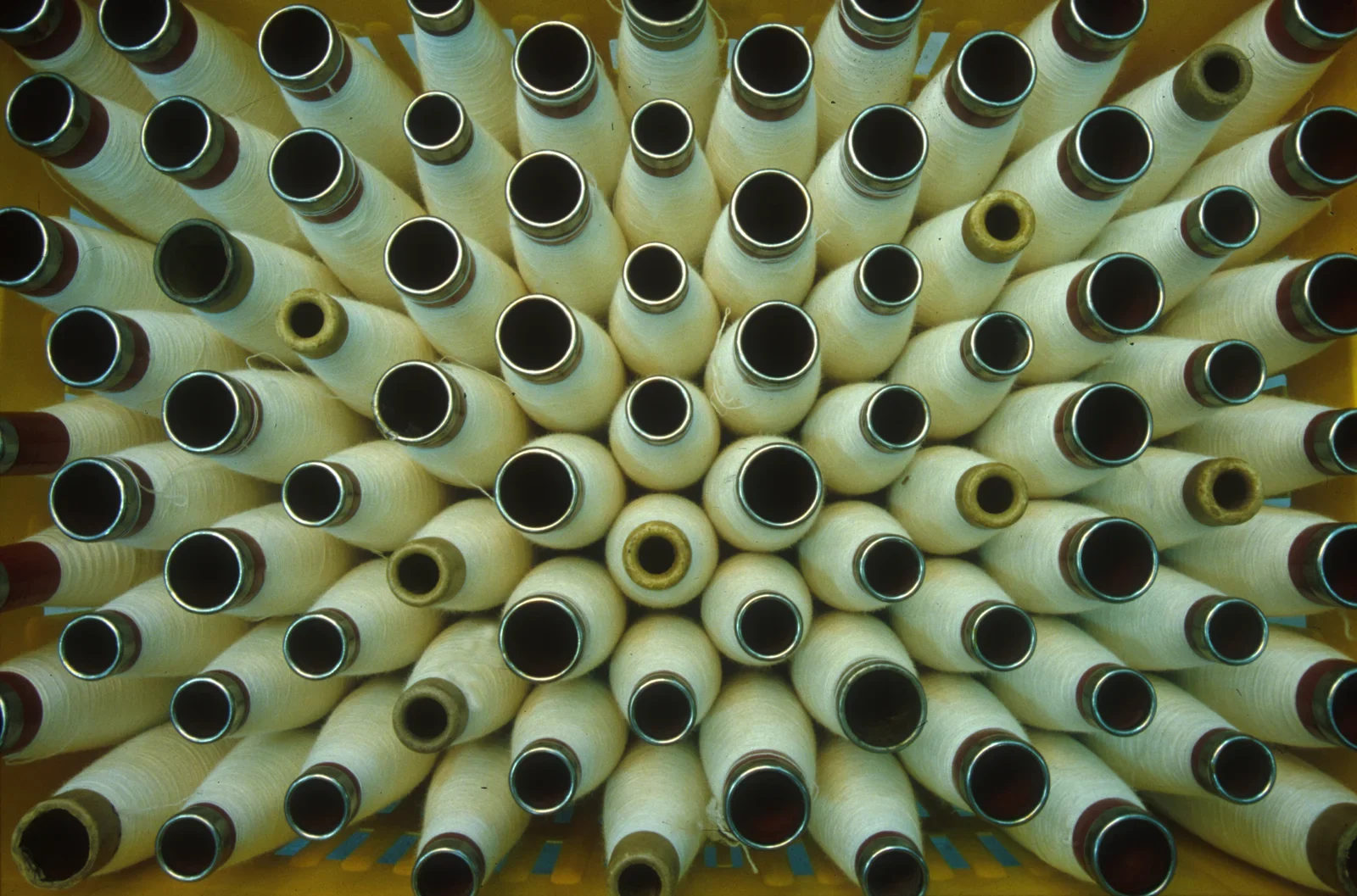
Two layers of information
CCI’s textile guidance distinguishes fibres, yarns and the structures made from them. A textile can be woven, knitted or formed by other methods. The same fibre may appear in different structures, and a single fabric may contain more than one fibre. A label naming wool or cotton therefore does not specify every aspect of the finished material.
Describe what is visible
Look for interlacing threads, connected loops or a surface in which individual yarn paths are difficult to follow. A photograph may be too small to establish the construction. Do not turn an unclear image into a confident fibre identification. Catalogue information and documented labels can add evidence that visual inspection alone cannot provide.
Write a layered caption
Use separate fields for stated fibre, apparent construction, colour and source. If a field is unknown, say so. This simple distinction makes it easier to compare a garment, furnishing fabric and museum fragment without implying that their use or care needs are identical.
Read the primary sources
The explanation above is independently written. Sources support the factual foundations; examples and learning prompts are this publication’s own.